Omega App
Discover how our Omegaapp Educational Management Platform transformed academic operations through centralized administration, digital learning, and streamlined educational workflows. Explore the journey from fragmented teaching processes and manual administration to a unified platform that improved efficiency, collaboration, and student engagement.
The challenge we faced.
A rapidly expanding network of tutoring centers was struggling to maintain consistency across its various locations. Managing hundreds of instructors, mapping complex curriculums across different grade levels, and distributing course materials manually led to administrative chaos and a disjointed student experience. As the organization continued to grow, maintaining standardized teaching quality and ensuring every branch followed the same academic structure became increasingly difficult.
At the same time, communication between administrators, instructors, and students relied on multiple disconnected tools, resulting in delayed updates, scheduling conflicts, and inconsistent access to learning resources. Tracking instructor workloads, monitoring student progress, and coordinating assignments across different branches required significant manual effort, limiting the organization’s ability to scale efficiently while delivering a consistent educational experience.
Step into the Solution
The educational institution needed more than a collection of digital tools—it required a centralized platform that could connect curriculum management, instructor coordination, and student learning into one seamless experience. We implemented the Omegaapp Educational Management Platform to unify academic operations, simplify administrative tasks, and create a consistent learning environment across all branches.

Standardizing Academic Operations
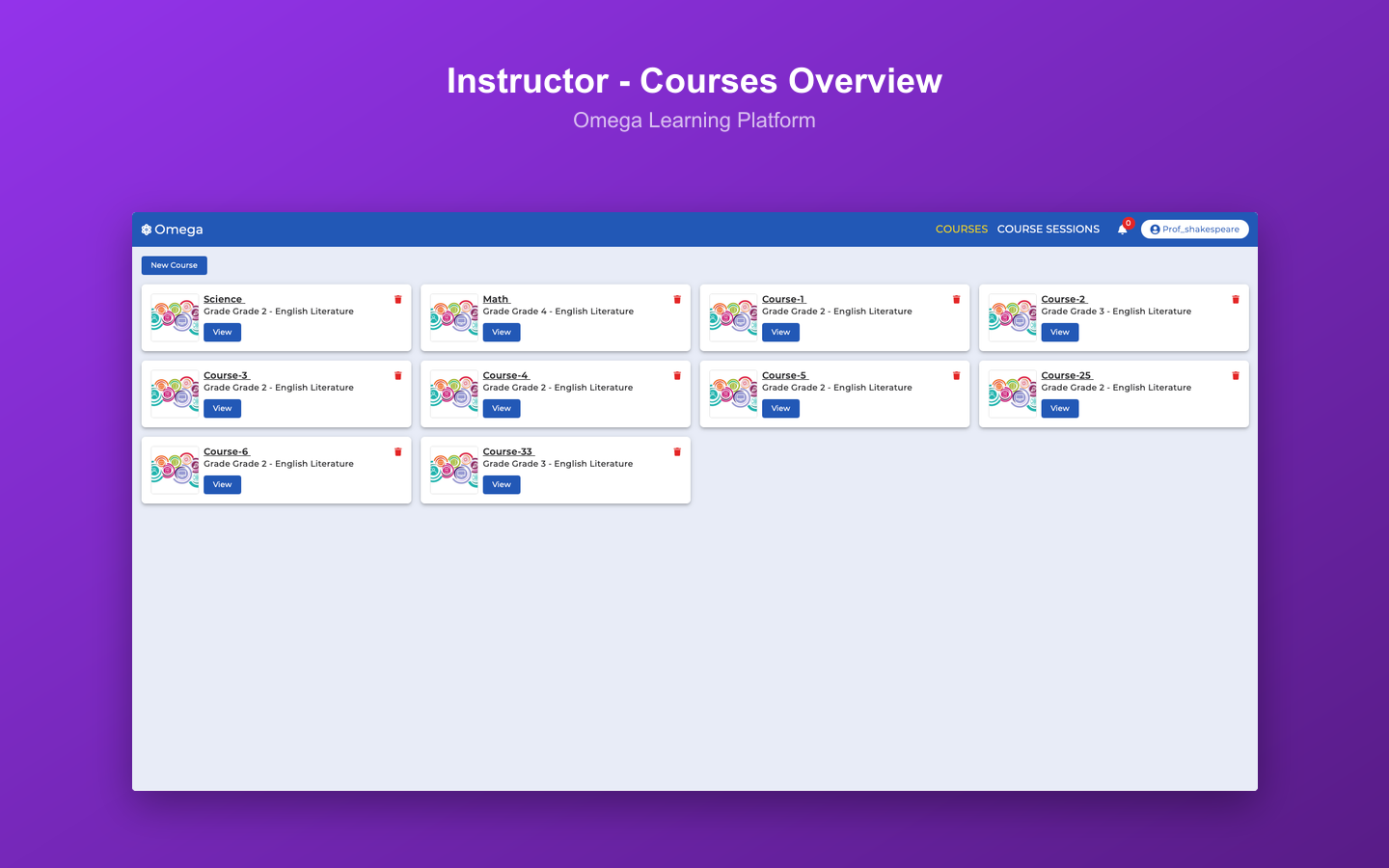
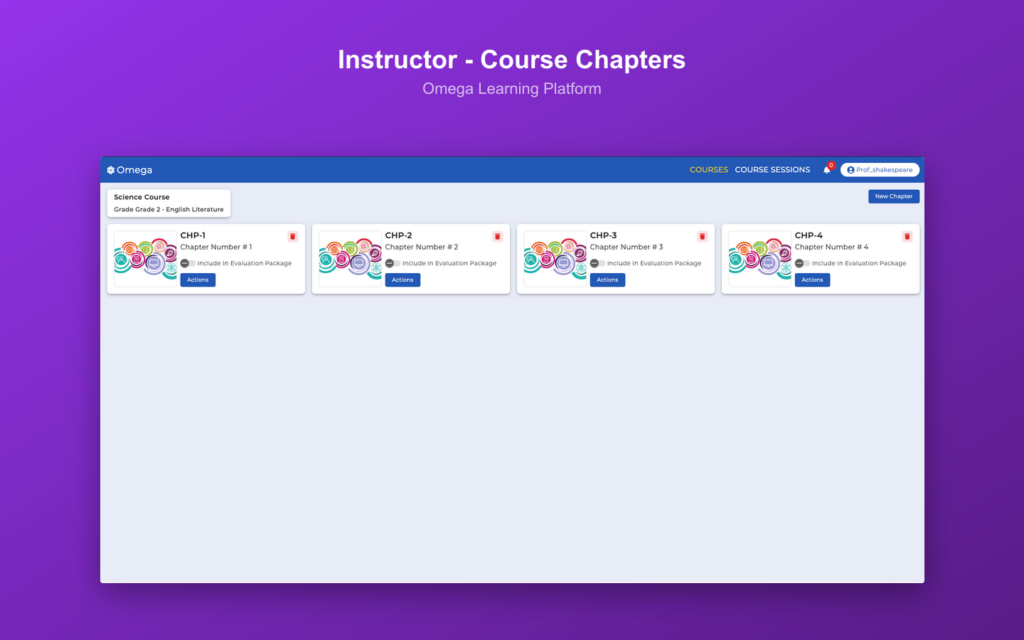
The platform centralized curriculum planning through integrated Grades & Subjects Management and Courses Management modules, allowing administrators to organize academic programs and maintain consistency across multiple tutoring centers. Instructor profiles and teaching schedules were managed from a single dashboard, giving administrators clear visibility into workloads, class assignments, and daily teaching activities.
This streamlined approach reduced manual coordination, improved scheduling accuracy, and ensured students received a consistent educational experience regardless of location.

Building a Digital Learning Experience
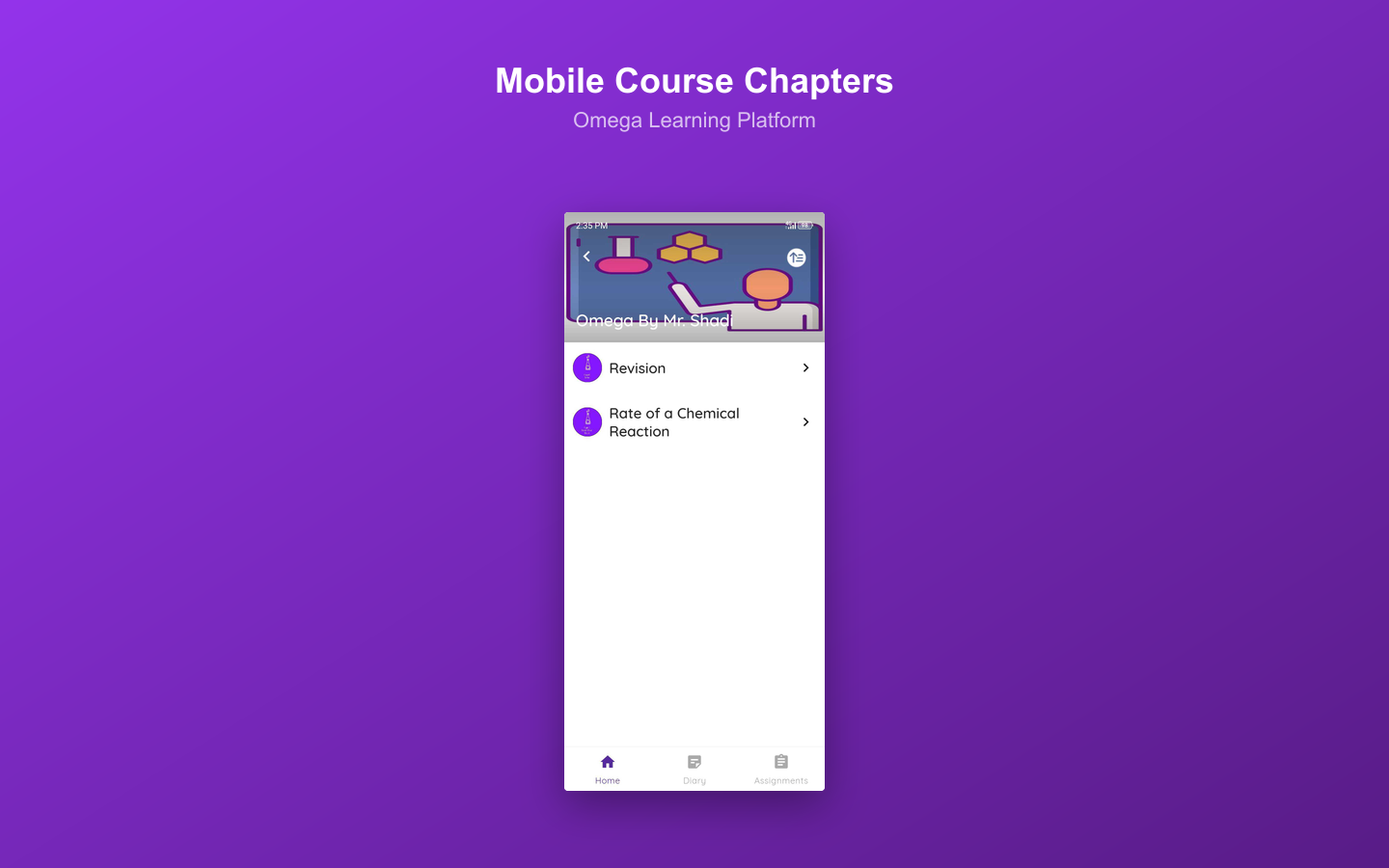
Beyond administration, the platform transformed the way educational content was delivered. Interactive content management tools enabled instructors to organize lessons into structured chapters and subchapters while creating exercises, assignments, and frequently asked questions that students could access anytime.
By combining academic management with digital learning resources, the platform created a connected ecosystem that enhanced collaboration between educators and students, improved access to learning materials, and provided a scalable foundation for future educational growth.
UX/UI Design & Prototype.
With the platform requirements clearly defined, we designed a user experience that made educational management simple for administrators, instructors, and students alike. Interactive prototypes were created to validate curriculum management, course organization, instructor scheduling, lesson content, assignments, and student learning journeys before development began. This collaborative design process ensured the final platform delivered an intuitive, scalable experience that streamlined academic administration while providing students with seamless access to courses and learning resources.
Dedicated product team, accelerated results.
The platform established a standardized curriculum across all tutoring centers, ensuring every student received the same high-quality course content, learning materials, and educational experience regardless of location.
By automating curriculum management, instructor scheduling, session planning, and content distribution, the platform significantly reduced manual administrative work, allowing educators and administrators to focus more on teaching and student success.
With interactive course content, multimedia lessons, integrated assignments, FAQs, and real-time announcements, students gained a more engaging and accessible learning experience, leading to stronger participation and improved academic performance.
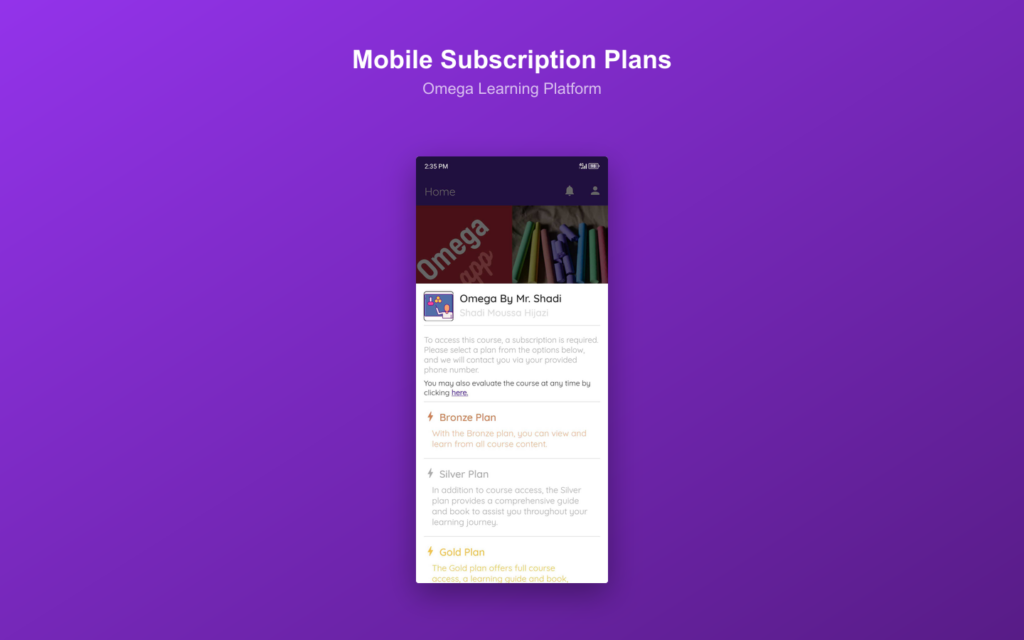
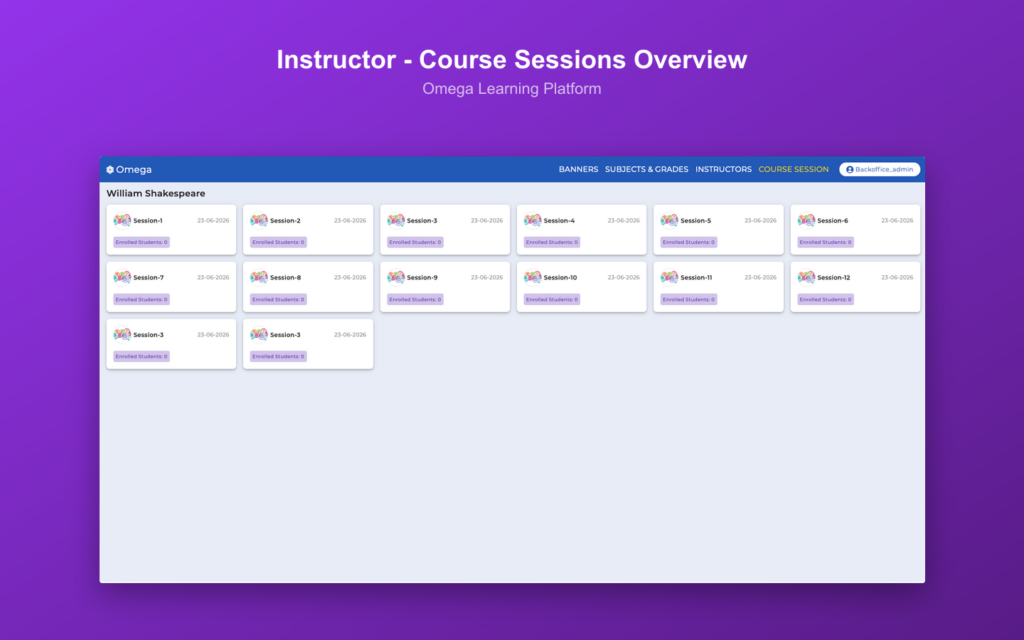
The Educational Platform We Delivered
Omegaapp is a comprehensive educational management platform that brings curriculum management, instructor coordination, course delivery, and student learning into one unified ecosystem. Designed for schools, tutoring centers, and e-learning organizations, it streamlines academic administration while providing educators with powerful content management tools and students with an engaging, centralized learning experience that scales across multiple branches.
Product 1: Curriculum & Course Management.
Omegaapp provides administrators with a centralized environment to organize grades, subjects, and courses across multiple educational branches. Structured course management ensures a consistent curriculum while simplifying updates and academic planning.
Features:
- Course and subject organization
- Grade-based curriculum management
- Centralized academic administration
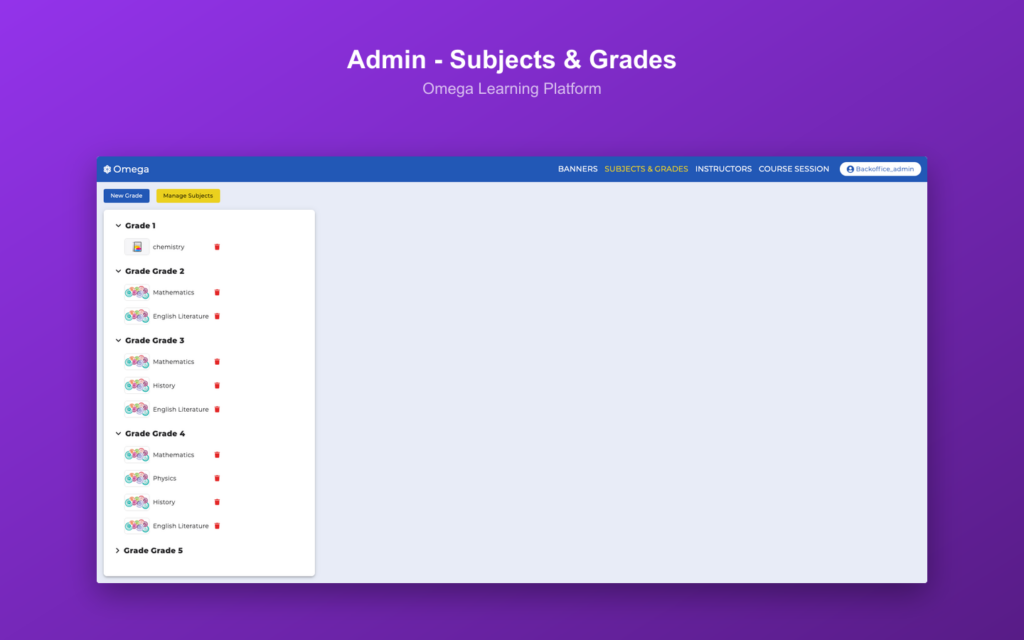
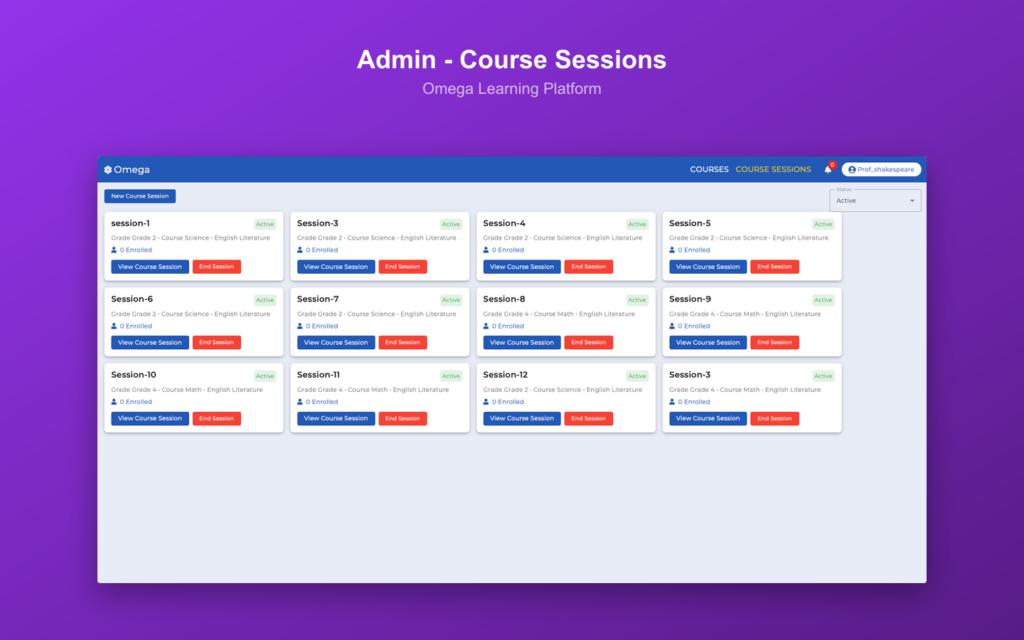
Product 2: Interactive Learning Experience.
Educators can build engaging learning experiences using multimedia lessons, structured chapters, assignments, and FAQs. Students access everything they need from one intuitive interface, making learning more interactive and accessible.
Features:
- Rich lesson content
- Assignments and exercises
- Multimedia resources and FAQs
Product 3: Faculty & Academic Coordination.
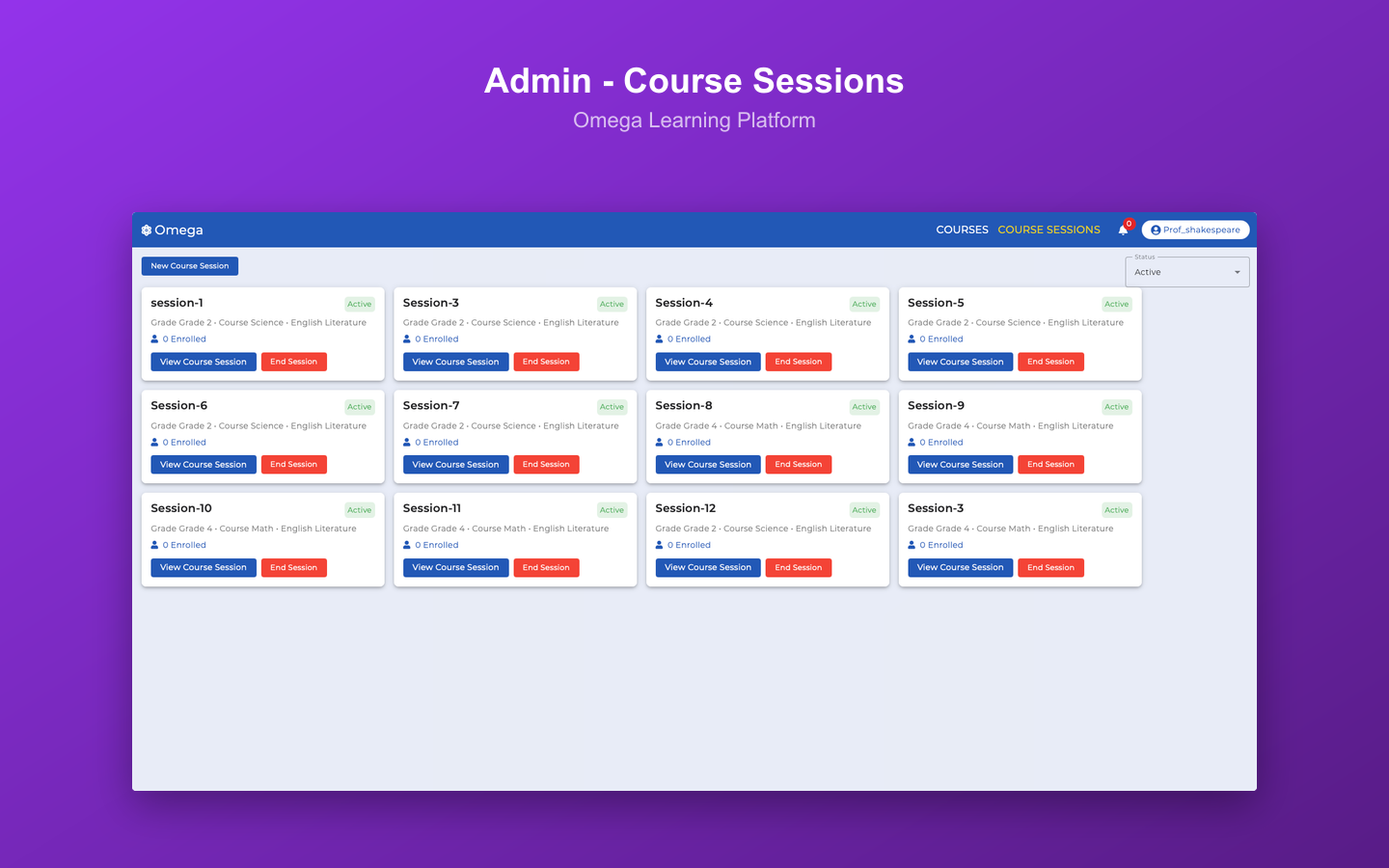
The platform simplifies instructor management by centralizing faculty information, teaching schedules, and course assignments. Administrators can monitor workloads, coordinate sessions, and ensure smooth academic operations across every branch.
Features:
- Instructor management
- Session scheduling
- Faculty workload tracking
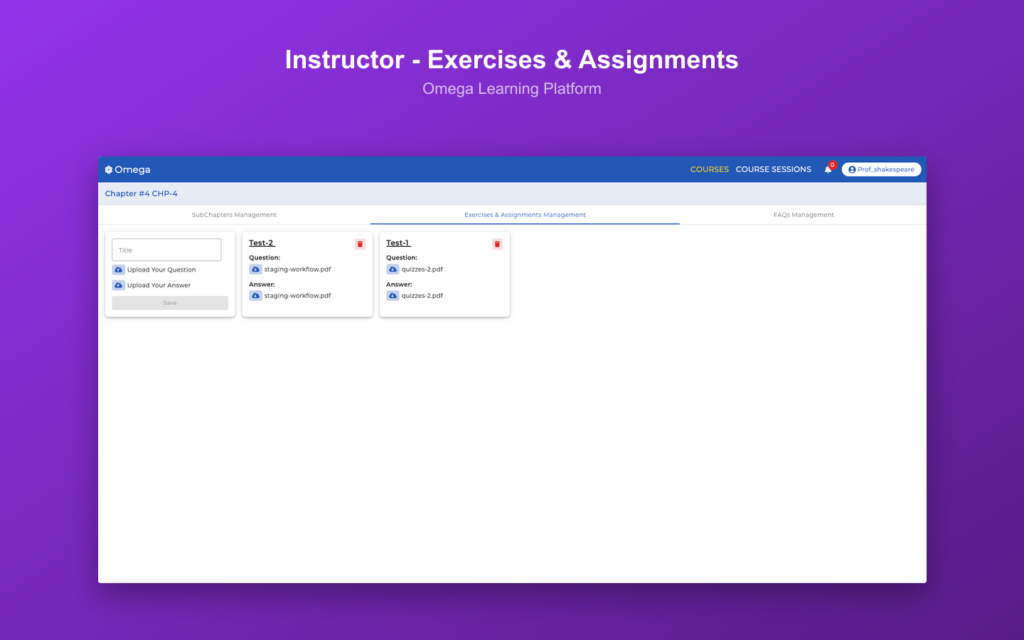

The completed Omegaapp platform became the digital backbone of the institution, connecting curriculum management, instructor coordination, and student learning within a single ecosystem.
Integrated academic workflows, rich course content, and centralized administration helped create a scalable platform that improves operational efficiency and enhances the overall learning experience.